
This recipe isn’t about following a strict formula. It’s about tuning in to the textures and temperatures—making sure each bite offers something a little different but harmonious.
When I prep this bowl, I think about contrasts: crunchy, soft, warm, cool. It’s a little like a sensory symphony, each element playing its part. That’s what makes it satisfying, not just nutritious.
The Unseen Art of Balancing Texture and Temperature in a Chickpea Buddha Bowl
Why This Bowl Matters To Me
- I love how roasting transforms chickpeas into crispy bites.
- This bowl reminds me of lazy Sunday lunches with a splash of lemon.
- I get a little proud every time I master the perfect roasted chickpea.
- It’s my go-to when I want something filling but fresh.
The Inspiration Behind My Chickpea Buddha Bowl
- I first made this after a trip to a Middle Eastern market, inspired by the vibrant colors and warm smells.
- It’s a dish that invites improvisation, so I’ve tweaked it over years, making it my own.
- The process of roasting, chopping, and assembling feels satisfying—like crafting a little edible mosaic.
The Hidden History and Fun Facts Behind Your Bowl
- Chickpeas have been a staple in Middle Eastern diets for thousands of years.
- The Buddha Bowl concept comes from the idea of a balanced, one-bowl meal, popularized in the 2010s.
- Roasting chickpeas enhances their nutty flavor and gives them a satisfying crunch.
- Tahini, a key ingredient, is made from ground sesame seeds and has been used since ancient times.
Ingredient Breakdown: What Makes This Bowl Shine
- Chickpeas: I love canned for convenience, but dried with a soak has a richer flavor and crunch.
- Tahini: It’s creamy and nutty, but peanut butter is a quick substitute—just a different flavor.
- Vegetables: I prefer colorful bell peppers and carrots—they add sweetness and crunch.
- Grains: Quinoa is my choice for fluffiness, but brown rice works just as well.
- Spices: Smoked paprika gives a smoky depth, but regular paprika still adds warmth.
Spotlight on Chickpeas and Tahini
Chickpeas:
- They become irresistibly crispy when roasted, with a warm, nutty aroma filling the kitchen.
- Watch for bubbling and a deep golden hue—the sign they’re crisping up perfectly.
Tahini:
- Its sesame flavor is rich and slightly bitter, with a smooth, velvety texture.
- When mixed with lemon, it brightens and loosens, becoming pourable and luscious.
Ingredient Substitutions for Different Diets
- Dairy-Free: Use coconut yogurt or avocado slices—creamy and fresh without dairy.
- Gluten-Free: Ensure grains are certified gluten-free or swap for cauliflower rice.
- Vegan: Skip honey in dressings, replace with agave or maple syrup.
- Low-Sodium: Rinse canned chickpeas thoroughly and skip added salt.
- Extra Protein: Add grilled tofu or tempeh instead of chickpeas for variety.
Equipment & Tools
- Oven: Roast chickpeas and vegetables evenly.
- Baking sheet: Hold chickpeas and vegetables for roasting.
- Saucepan: Cook grains.
- Mixing bowls: Toss ingredients and dressings.
- Sharp knife: Prep vegetables and chickpeas.
Step-by-Step Guide to Your Chickpea Buddha Bowl
- Preheat your oven to 200°C (390°F).
- Drain and rinse canned chickpeas. Pat dry.
- Toss chickpeas with olive oil, smoked paprika, cumin, and a pinch of salt.
- Spread on a baking sheet, roast for 25-30 mins, until crispy and golden.
- While chickpeas roast, prepare vegetables: slice carrots, bell peppers, and red onion.
- Toss vegetables with olive oil, salt, pepper, and roast alongside chickpeas for 20 mins.
- Cook quinoa or rice according to package instructions, set aside.
- Mix tahini with lemon juice, a splash of water, and a touch of garlic for the dressing.
- Assemble the bowls: start with grains, add roasted veggies, chickpeas, and greens.
- Drizzle with tahini dressing, sprinkle with seeds or nuts.
Let the assembled bowls sit for 2-3 minutes before eating to let flavors meld. Serve warm or at room temperature.
How to Know It’s Done
- Chickpeas are crispy and browned.
- Vegetables are caramelized and tender.
- Grains are fluffy and heated through.
Chickpea Buddha Bowl
Ingredients
Equipment
Method
- Preheat your oven to 200°C (390°F).
- Drain and rinse the chickpeas, then pat them dry with a paper towel to remove excess moisture.
- Toss the chickpeas with 1 tablespoon of olive oil, smoked paprika, cumin, and a pinch of salt in a mixing bowl until evenly coated.
- Spread the seasoned chickpeas on a baking sheet in a single layer and roast in the oven for 25-30 minutes, shaking the pan halfway through, until crispy and golden brown.
- While the chickpeas roast, rinse the quinoa in a fine sieve under cold water, then cook it in a saucepan with 2 cups of water. Bring to a boil, reduce to simmer, cover, and cook for 15 minutes until fluffy.
- Slice the carrots into thin rounds, the bell pepper into strips, and the red onion into rings.
- Toss the sliced vegetables with 1 tablespoon of olive oil, a pinch of salt, and pepper, then spread them on a separate baking sheet. Roast for 20 minutes until tender and slightly caramelized.
- Meanwhile, prepare the tahini dressing by whisking together tahini, lemon juice, water, and a pinch of salt until smooth and pourable. Adjust water to reach your preferred consistency.
- Once everything is cooked and roasted, assemble the bowls by placing a bed of fluffy quinoa at the bottom.
- Add the roasted vegetables on top of the grains, then sprinkle with the crispy chickpeas.
- Drizzle generously with the tahini lemon dressing and garnish with any additional toppings like seeds or nuts if desired.
- Serve immediately, or let sit for a couple of minutes to allow flavors to meld. Enjoy your colorful, textured Chickpea Buddha Bowl!
Cooking Tips & Tricks for Perfect Results
- Crispy chickpeas need high heat and enough space—use a large baking sheet.
- For extra flavor, toss chickpeas with smoked paprika and coriander.
- Roast vegetables in a single layer—crowding causes steaming, not roasting.
- Use fresh lemon juice to brighten the tahini dressing.
- Let grains rest covered for 5 minutes after cooking for fluffier texture.
Common Mistakes and How to Fix Them
- FORGOT to preheat the oven? Turn it on now and give the chickpeas a quick toss before roasting.
- DUMPED too much oil on the chickpeas? Use a paper towel to absorb excess oil before roasting.
- OVER-TORCHED the chickpeas? Lower the oven temperature and check every 5 mins.
- SCOURED the veggies? Cut them into smaller, uniform pieces next time for even roasting.
Quick Fixes for Common Kitchen Hiccups
- When chickpeas are soggy, bake them longer or at a higher temp.
- Splash some lemon juice if dressing feels dull.
- Patch burnt veggies with fresh ones, or serve burnt parts as snacks.
- Shield delicate greens from the heat when assembling the bowl.
- If dressing is too thick, whisk in a little water or lemon juice.
Make-Ahead and Storage Tips
- Roasted chickpeas can be made a day ahead; store in an airtight container for crispness.
- Vegetables can be chopped 1 day in advance, kept in the fridge in a sealed container.
- Assembled bowls are best eaten fresh, but leftovers keep well for 1-2 days in the fridge.
- Reheat grains and roasted veggies in the oven at 180°C (350°F) for 10 minutes, until warm and fragrant.
10 Practical Q&As About the Chickpea Buddha Bowl
1. Can I use dried chickpeas instead of canned?
Use canned chickpeas for ease, but roasting dried ones after soaking gives a nuttier flavor.
2. How do I prepare the chickpeas?
Yes, toss them in olive oil, paprika, cumin, and roast at 200°C (390°F) for 25-30 mins.
3. When should I add lemon juice?
For a more vibrant taste, squeeze fresh lemon juice over the bowl just before serving.
4. What kind of bowl should I use?
Use a sturdy bowl for tossing ingredients to prevent spillage and save your kitchen counter.
5. When should I add the dressing?
To keep the greens crisp, add the dressing just before eating, not hours ahead.
6. Can I substitute tahini?
If you don’t have tahini, a drizzle of peanut butter mixed with lemon works well.
7. How do I know when the veggies are done?
Roast vegetables until they are caramelized and tender, about 20 minutes at 200°C (390°F).
8. What’s the best way to prep the sweet potatoes?
Use a sharp knife to cut sweet potatoes into uniform cubes for even roasting.
9. How long can I keep leftovers?
Store leftovers in an airtight container in the fridge for up to 2 days, but eat quickly for freshness.
10. How should I reheat the leftovers?
Reheat gently in a warm oven (around 180°C/350°F) to preserve texture, or enjoy cold.
Sometimes, I make this bowl when I want a quick meal that still feels thoughtful. It’s honest food, no fuss, no pretenses. Plus, it’s endlessly customizable, so I never get bored of it.
And honestly, it’s the kind of dish that feels good to eat on a busy day—the kind that brings a little comfort, a little brightness, to the table.
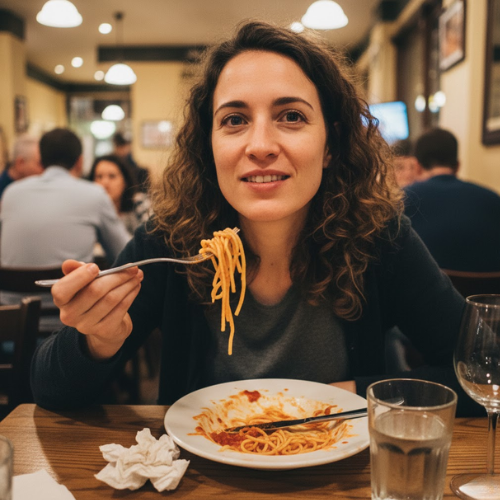
Hi, I’m Madison Lane, the cook, recipe creator, and heart behind this kitchen. Food has been part of my life for as long as I can remember. Some of my earliest memories are of standing beside my dad while he cooked, watching him move comfortably around the kitchen, tasting sauces, and explaining why patience mattered just as much as seasoning.
