
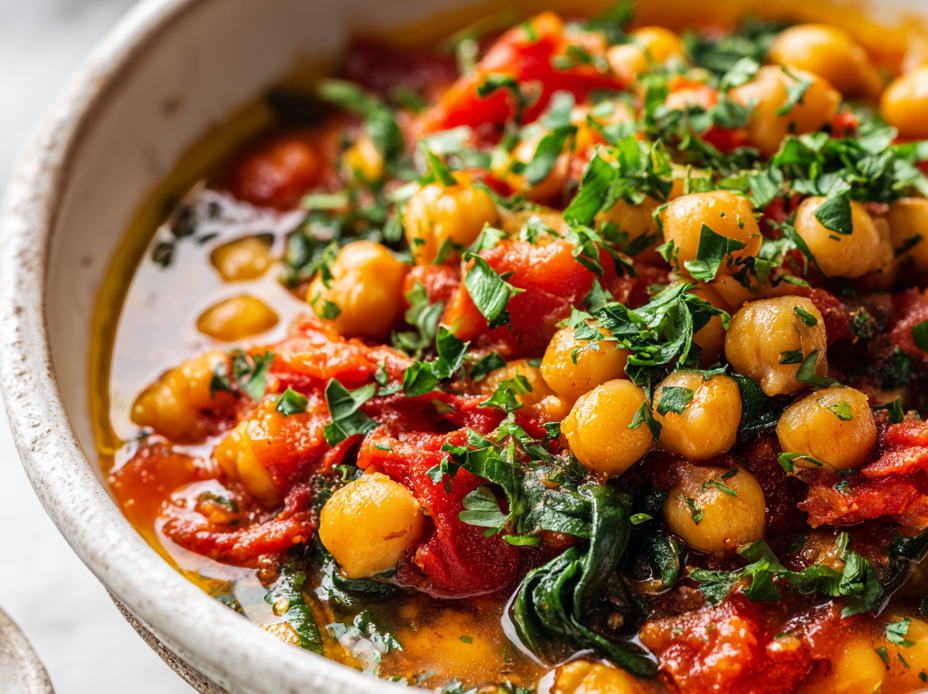
This crockpot chickpea stew is my go-to for those evenings when I want something warm and filling without spending ages in the kitchen. It’s a real relief to just toss everything into the slow cooker and forget about it until dinner time, especially after a long day. The smell that drifts through the house as it cooks—rich, smoky, with a hint of lemon brightness—feels like a gentle hug.
I love how adaptable it is, too. Whether I’ve got leftover veggies or need to swap out spices, it’s forgiving and forgiving is what I need most when life gets busy. It’s a simple recipe, but it’s packed with flavor, nourishing ingredients, and that cozy, hearty feel that sticks with you. Perfect for chilly nights or whenever you need a break from the usual dinner scramble.
Focusing on how this crockpot chickpea stew offers a hands-off, comforting meal perfect for busy weeknights or lazy weekends when you want something nourishing without fuss.
The story behind this recipe
This stew came together from a need to find comfort in simplicity. I was juggling a hectic week, craving something warm that wouldn’t demand my full attention. One evening, I tossed chickpeas, spices, and veggies into the slow cooker, and by dinner, I had a fragrant, smoky pot that made the house smell like a cozy kitchen in fall. It’s a dish I keep coming back to because it reminds me that sometimes, the best meals are the easiest ones to make, especially when you’re craving something honest and unpretentious.
Ingredient breakdown: key components
- Chickpeas: I use canned for convenience, but dried soaked overnight bring a nutty, slightly creamy texture that feels more substantial. You might prefer the quick canned version for busy nights.
- Canned tomatoes: I love the bright, tangy burst they give, especially when they simmer down and develop a smoky richness. Fresh tomatoes work in summer, but they need longer cooking for depth.
- Onions & garlic: The aromatic base that makes the whole house smell inviting. Sauté until golden—this step is key for that sweet, mellow flavor to blossom.
- Spices (paprika, cumin): I keep it simple but vibrant—smoked paprika adds a gentle smoky warmth, while cumin gives a subtle earthiness. Adjust to your heat tolerance or add a pinch of cayenne if you like a kick.
- Vegetables: Carrots, spinach, or zucchini—whatever’s in the fridge—add texture and color. I toss them in late so they stay tender but not mushy.
- Lemon juice: Brightens everything up with a zesty punch once cooking is done. Don’t skip it; that fresh citrus really lifts the stew from hearty to lively.
- Olive oil: Drizzle a splash in at the end for richness and shine. It’s the little finishing touch that makes the flavors pop and the texture glossy.
Spotlight on key ingredients
Chickpeas & Tomatoes:
- Chickpeas: I love canned for their soft, creamy bite, but dried soaked overnight really deepens their nutty flavor. Either works depending on your time.
- Tomatoes: Canned crushed tomatoes give that rich, slightly smoky base. Fresh summer tomatoes are brighter, but need longer cooking for that depth.
Notes for ingredient swaps
- Canned Chickpeas: I use canned for convenience, but dried soaked overnight give a nuttier, firmer bite. Swap depending on your schedule.
- Tomatoes: Canned crushed tomatoes bring a bright, tangy base. Fresh summer tomatoes work if they’re ripe, but they need longer cooking for depth.
- Vegetables: Carrots, zucchini, spinach—add what you have. Zucchini can turn mushy if overcooked, so add late in the process.
- Spices: Smoked paprika adds warmth, but regular paprika works fine. Cumin is key for earthiness—adjust to your spice love.
- Lemon Juice: Brightens the stew with zest and tang. Lime can be a lively substitute if that’s what’s in the fridge.
- Olive Oil: Finish with a drizzle for shine and richness. Avocado oil can replace it, offering a milder flavor.
- Broth: Vegetable broth enhances flavor but water works in a pinch. If using water, add a bouillon cube or extra spices for depth.
Equipment & Tools
- Slow cooker: To cook everything slowly and evenly without fuss.
- Skillet: For sautéing aromatics to develop flavor.
- Knife: To chop vegetables and garlic.
- Cutting board: A stable surface for prepping ingredients.
- Spoon: For stirring and tasting.
Step-by-step guide to chickpea stew
- Gather your equipment: a large slow cooker, a cutting board, a sharp knife, and a stirring spoon. The slow cooker is your best friend here for a no-fuss simmer.
- Prep the ingredients: rinse and drain a can of chickpeas, chop one large onion into small dice, mince 3 cloves of garlic, and dice a large carrot. Setting everything up makes assembly smooth.
- In a skillet over medium heat (about 160°C/320°F), warm a tablespoon of olive oil. Sauté the onion and garlic until fragrant—about 3-4 minutes—until they start turning golden and smell sweet.
- Transfer the sautéed aromatics to the slow cooker. Add the chickpeas, diced carrots, one can of crushed tomatoes, a teaspoon each of smoked paprika and cumin, and salt and pepper to taste. Stir everything well to combine.
- Set the slow cooker to low (about 90°C/195°F) and cook for 6-8 hours. If you’re in a rush, high heat (around 120°C/250°F) for 3-4 hours works, but the longer low and slow develops better flavor.
- Halfway through cooking, taste and adjust seasoning. If it gets too thick, add a splash of water or broth. If it’s too thin, remove the lid for the last hour to help it thicken slightly.
- Check for doneness: the chickpeas should be tender, the stew fragrant and slightly thickened, and the vegetables soft but not mushy. The smell should be smoky with a bright citrus hint.
- Once ready, stir in a tablespoon of lemon juice and a drizzle of olive oil. Taste again and tweak salt if needed. Turn off the heat and let it sit for 10 minutes before serving to allow flavors to meld.
Once cooked, stir in lemon juice and olive oil. Let the stew rest for 10 minutes to meld flavors. Serve hot, garnished with chopped herbs if desired. It’s best enjoyed with crusty bread or over rice.
How to Know It’s Done
- Chickpeas are tender and slightly creamy when pierced with a fork.
- Stew has thickened and is bubbling gently around the edges.
- A quick taste reveals smoky, tangy, and bright flavors balanced perfectly.
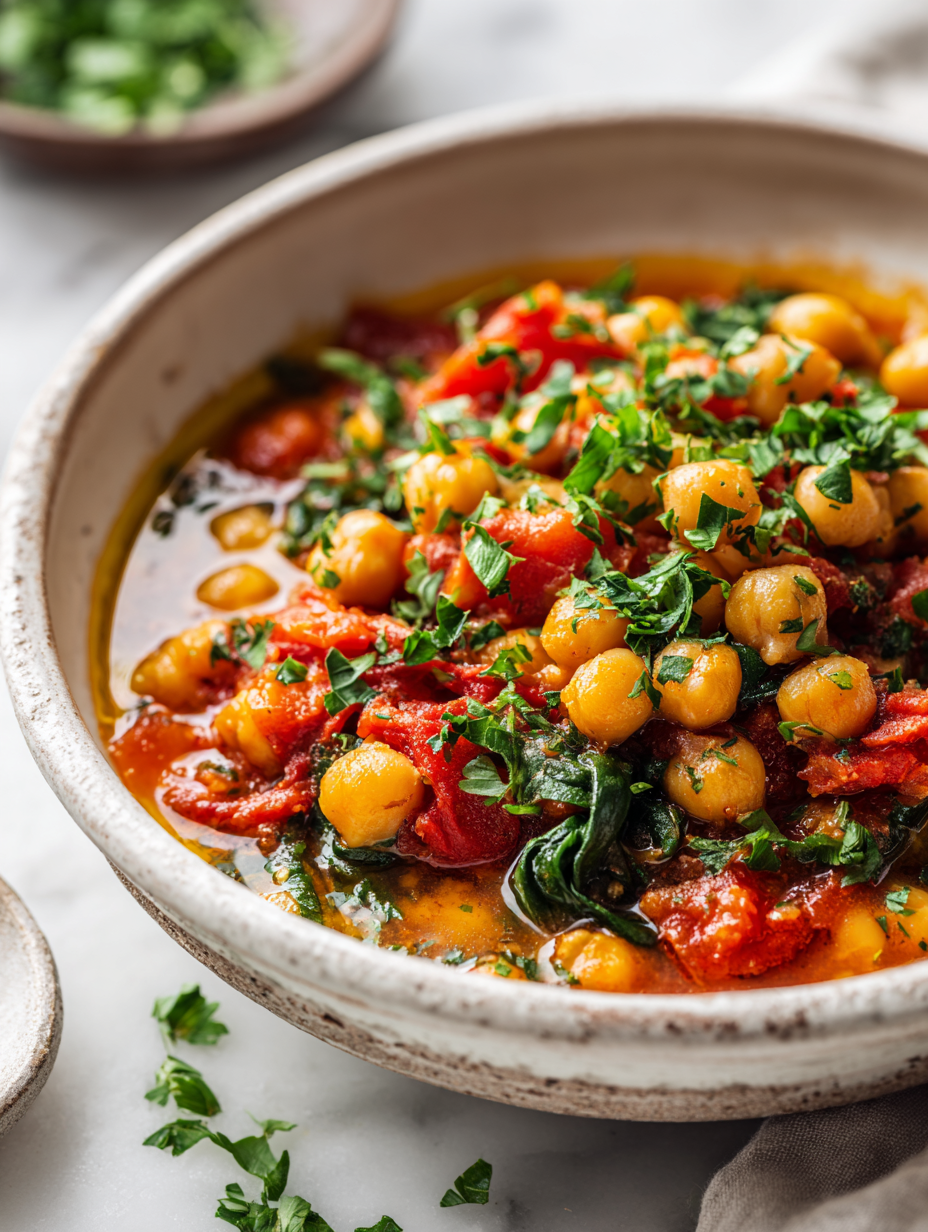
Crockpot Chickpea Stew
Ingredients
Equipment
Method
- Start by preparing your ingredients: rinse and drain the chickpeas, dice the onion and carrot, and mince the garlic. Having everything ready makes assembly smooth.
- Heat a tablespoon of olive oil in a skillet over medium heat. Add the diced onion and minced garlic, sautéing until fragrant and golden—about 3-4 minutes. The kitchen will fill with a sweet aroma, and the onions should be translucent and soft.
- Transfer the sautéed onions and garlic to the slow cooker. Add the diced carrot, chickpeas, crushed tomatoes, smoked paprika, cumin, and a pinch of salt and pepper. Stir everything well to combine, ensuring the spices are evenly distributed.
- Pour in the vegetable broth and give everything a good stir. Cover the slow cooker and set it to low. Let it cook gently for 6 to 8 hours, or on high for 3 to 4 hours—until the chickpeas are tender and the stew is fragrant and slightly thickened.
- Halfway through cooking, check the stew's consistency and taste. Adjust seasoning with more salt or pepper if needed. If it becomes too thick, stir in a splash of broth or water.
- Once the stew is ready, stir in the freshly squeezed lemon juice for a bright, zesty lift. Drizzle with a tablespoon of olive oil for richness and shine. Let it sit for about 10 minutes to allow flavors to meld.
- Give the stew a final taste and adjust the salt or lemon if needed. Serve hot, garnished with fresh herbs if desired, alongside crusty bread or over rice for a complete meal. Enjoy the cozy, smoky flavors and tender chickpeas with every spoonful!
Pro Tips for Perfect Stew
- Bolded mini-head: Sear the aromatics until golden—this deepens flavor and adds a smoky complexity.
- Bolded mini-head: Use fresh lemon juice at the end—brightens and lifts the stew’s earthy richness.
- Bolded mini-head: For thicker stew, remove the lid during the last hour—watch for gentle simmering and slight reduction.
- Bolded mini-head: Add vegetables like zucchini late—keeps their texture vibrant and prevents mushiness.
- Bolded mini-head: Taste and adjust seasoning after resting—flavors meld and salt levels become clear.
- Bolded mini-head: Incorporate a splash of broth if stew gets too thick—stir and cook 10 minutes more for even consistency.
Common mistakes and how to fix them
- FORGOT to account for salt: Always taste and adjust seasoning after cooking to avoid over-salting.
- DUMPED in too much liquid: If stew is too thin, remove lid and simmer until thickened, about 20 minutes.
- OVER-TORCHED the stew: If it smells burnt, add a splash of water and scrape the bottom to loosen bits.
- SKIPPED the lemon juice: Brighten the stew at the end with lemon for a fresh, vibrant flavor.
Quick fixes and pantry swaps
- When stew is too thick, splash in water or broth and stir well.
- If you forgot to add lemon, squeeze fresh juice just before serving for brightness.
- Splash a bit of vinegar or lemon if the stew tastes flat or dull.
- Patch over a burnt bottom by quickly transferring the stew to a fresh pot; avoid scraping burnt bits.
- Shield vegetables from overcooking by adding delicate greens at the very end.
Prep, store, and reheat tips
- Prep the ingredients: rinse chickpeas, chop vegetables, and measure spices the night before to save time and get everything ready in the fridge.
- Store cooked stew in an airtight container in the fridge for up to 4 days, where it develops a richer, more layered flavor as it sits.
- For longer storage, freeze the stew in portions for up to 3 months; the flavors deepen, and the chickpeas become even creamier after thawing.
- Reheat gently on the stove over low heat, stirring occasionally, until steaming and fragrant—expect a thicker, more concentrated stew with a cozy aroma.
Top questions about chickpea stew
1. How do I choose good chickpeas?
Look for chickpeas that are firm and slightly plump, with no signs of mushiness or discoloration. Canned chickpeas should be rinsed well to remove excess salt and can be used directly.
2. What if my stew is too thick or too thin?
If your stew is too thick, stir in a bit of water or broth and let it simmer for a few minutes until it loosens up. For thin stew, remove the lid and simmer until it thickens, about 20 minutes.
3. Can I speed up the cooking time?
Cooking the stew on low for 6-8 hours helps develop deep, layered flavors. If you’re in a rush, use high for 3-4 hours, but the slow, gentle simmer really makes a difference.
4. When should I add lemon juice?
Adding a squeeze of fresh lemon juice at the end brightens the stew with a zesty, fresh flavor, balancing the smoky spices and hearty chickpeas perfectly.
5. Can I substitute fresh tomatoes for canned?
Yes, you can swap canned diced tomatoes for fresh summer tomatoes—they’ll bring a brighter, juicier flavor, but need longer cooking for depth.
6. What vegetables can I add or skip?
Stir in fresh spinach or zucchini late in cooking to keep their texture vibrant and prevent mushiness. Carrots can be added early for sweetness and softness.
7. Can I use different oils?
For a richer flavor, finish with a drizzle of good olive oil. If you prefer a different oil, avocado oil works well and adds a subtle fruitiness.
8. How long can I keep leftovers?
Store leftovers in an airtight container in the fridge for up to 4 days. The flavors deepen as it sits, making it even more comforting next day.
9. How do I reheat the stew?
To reheat, warm gently on the stove over low heat, stirring occasionally. Expect the stew to thicken, so add a splash of water or broth as needed.
10. What if it needs more flavor?
If you forget to add salt, taste after reheating and sprinkle in a little more to enhance the flavors. A touch of vinegar can also brighten dull notes.
This stew isn’t just about comfort—it’s about finding a moment of calm in a busy day, with the earthy aroma and smoky warmth wrapping you up. It’s a humble dish that reminds me how simple ingredients can create something unexpectedly nourishing and soulful.
Sometimes, the best meals are the ones you throw together without fuss, letting time and patience do their work. This crockpot chickpea stew is a quiet victory—a reminder that a good, honest dinner can be effortless and still deeply satisfying.
Hi, I’m Madison Lane, the cook, recipe creator, and heart behind this kitchen. Food has been part of my life for as long as I can remember. Some of my earliest memories are of standing beside my dad while he cooked, watching him move comfortably around the kitchen, tasting sauces, and explaining why patience mattered just as much as seasoning.
